Loading...
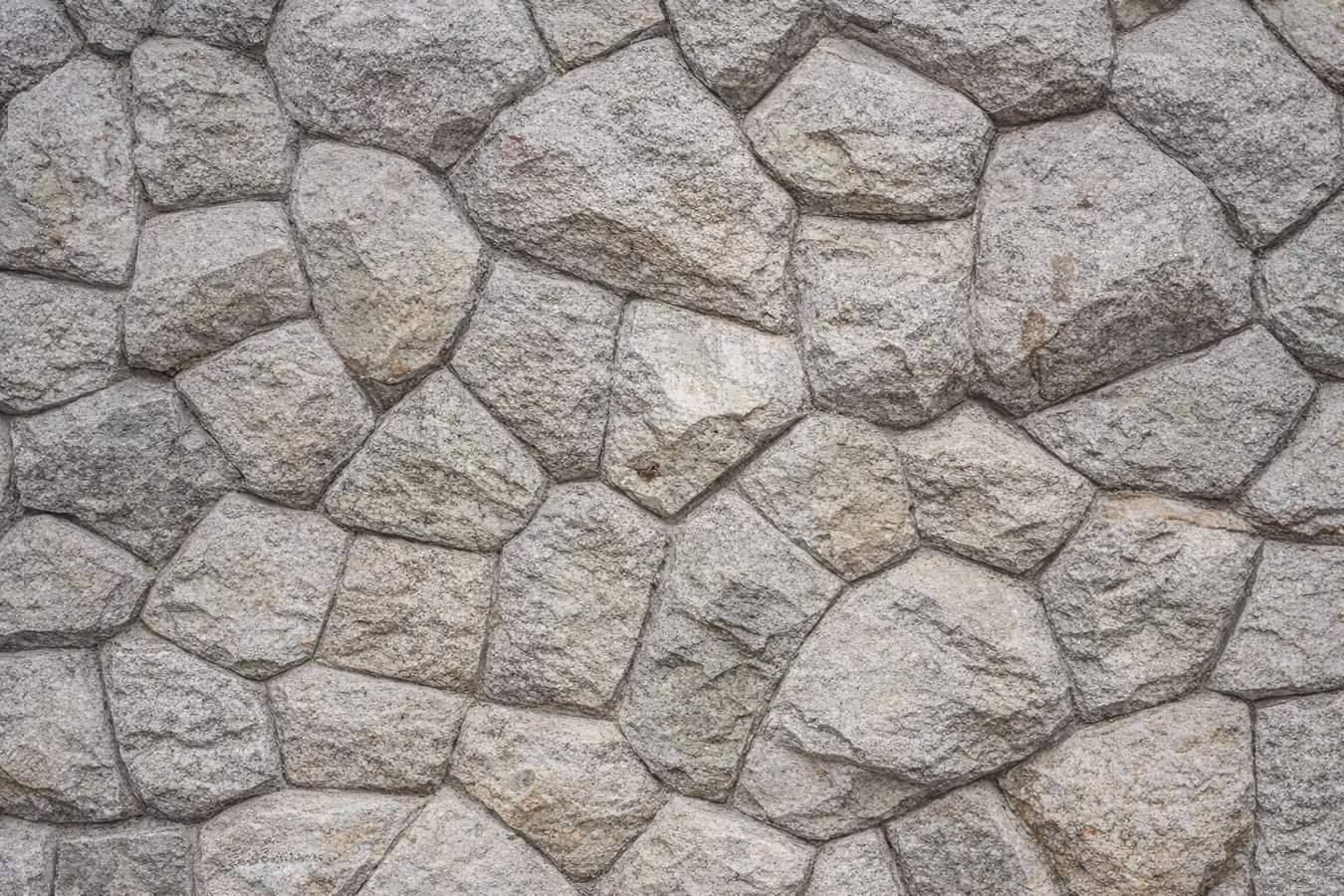
Stone walls, patios, and features built to hold up against local clay soil and seismic conditions. Proper footings, right mortar, and a crew that knows Milpitas from the ground up.
Stone masonry in Milpitas means building walls, patios, or decorative features from natural or manufactured stone set in mortar on a concrete footing, with most residential projects completing in one to two weeks depending on size and scope.
Most homeowners reaching out about stone masonry are working through one of three situations: an existing stone wall or patio that has shifted after years of clay soil movement, a new outdoor living space they want built to handle Bay Area conditions, or a home they are preparing to list and want the exterior to look its best. The challenge in Milpitas is that the ground here is not forgiving - expansive clay and proximity to active fault lines both put stress on stone structures that were not engineered for those conditions. If your existing stonework needs repair before you commit to something new, our masonry restoration service is the right starting point.
Stone is one of the most durable materials available for residential work. A properly built stone wall or patio in a climate like Milpitas can last 50 years or more with very little upkeep. That longevity is why stone tends to cost more upfront than wood or pavers - you are paying for something that may still be standing long after the rest of your landscaping has been replaced.
A wall that visibly tilts or shows wide cracks through the mortar joints is under stress. In Milpitas, this typically happens because clay soil behind the wall has been pushing against it through repeated wet and dry cycles, and the original construction was not built to handle that movement. A leaning retaining wall can fail suddenly - do not wait on this one.
When the ground beneath a stone surface shifts - common in Milpitas clay-heavy soil - individual stones can rock underfoot or drop below the surrounding grade. Beyond being an eyesore, uneven stone surfaces are a tripping hazard. A mason can re-set the affected stones and address the drainage or base issues causing the movement.
Mortar that is deteriorating is no longer holding your stonework together properly. White powdery residue - called efflorescence - is a sign that water is moving through the wall and carrying minerals to the surface. Repointing the joints before the next rainy season closes the entry point and prevents larger structural problems.
If you are building a new patio, outdoor kitchen, or garden feature, stone masonry is one of the few materials that handles Bay Area dry summers, wet winters, and occasional seismic activity without warping, rotting, or fading. Planning the project now - before the summer entertaining season - means you will have it ready when you actually want to use it.
Every stone masonry project we take on in Milpitas starts with proper footing preparation - digging below the zone where clay soil moves most, pouring a concrete base, and letting it cure before a single stone goes down. For retaining walls and larger structures, steel reinforcing bars go into the footing to give the wall the strength to handle seismic movement without cracking. We handle the City of Milpitas permit application when required and coordinate with any HOA design review process before work begins. If your project includes mortar joint repair on existing stonework or brickwork nearby, our brick pointing service covers that work and can be scheduled alongside new construction to keep everything on one mobilization.
The Mason Contractors Association of America publishes the installation standards we follow on every project - consistent joint thickness, proper drainage behind retaining walls, and mortar mixes matched to the specific stone type being used. Natural stone like granite or flagstone needs a different mortar approach than manufactured stone veneer, and using the wrong mix can cause cracking or debonding within a few years. A written, itemized estimate is provided before any work begins - the number you agree to is the number on the final invoice.
Walls that hold back soil on a slope or redirect drainage away from the foundation - suits homeowners dealing with a sloped yard, erosion, or water pooling near the house.
Flagstone or natural stone set on a prepared base for entertaining areas and backyard living spaces - suits homeowners who want a long-lasting alternative to concrete or wood decking.
Low decorative walls that edge planting beds, define yard zones, or frame a front entry - suits homeowners focused on curb appeal and a clean, permanent landscaping structure.
Freestanding columns, pilasters, and gate posts built from natural or manufactured stone - suits homeowners who want a substantial, permanent entry feature that adds presence and value to the front of the property.
Milpitas presents two challenges that contractors from outside the Bay Area simply do not encounter on a regular basis. First, the clay-heavy soils across much of the city expand and contract significantly with every rainy season - that movement is the leading cause of cracked and leaning stone walls here, and it demands footings that go deeper and drainage details that generic masonry specs do not always call for. Second, the city sits close to both the Calaveras and Hayward faults, so any stone structure needs to be anchored and reinforced with seismic movement in mind. A contractor who learned their trade elsewhere may build something that looks right on day one but fails within a few years because neither condition was accounted for. Homeowners in San Jose and Fremont face similar soil and seismic conditions, and we build to the same standard across our full service area.
Many Milpitas neighborhoods - particularly the planned communities and newer subdivisions near Calaveras Boulevard - have active homeowners associations with design review requirements for exterior changes. Stone color, wall height, and design style can all be subject to HOA approval before work begins. The City of Milpitas Building Division also requires permits for retaining walls above a certain height and for any work affecting site drainage. We handle both processes as part of the job so you do not have to navigate city departments or HOA boards on your own.
Call or submit the contact form with a brief description of what you need - size, type of stone feature, and any photos you have. We reply within one business day to schedule a free on-site estimate.
We walk your property, take measurements, review soil and drainage conditions, and ask about your design goals. A written estimate breaking out labor, materials, and any permit fees follows within a few days - the number you sign off on is the number you pay.
We pull any required City of Milpitas building permits and submit plans to your HOA if needed. Permit review typically adds one to three weeks to the start date - we track the timeline and keep you updated so nothing is a surprise.
The crew prepares footings, lays the stone, and cleans the site on completion. We walk through the finished project with you before leaving. Mortar handles light use after 24 to 48 hours and reaches full strength over the following month - we tell you exactly what to avoid during that window.
Free on-site estimate, written price before work begins, no obligation.
(669) 345-1734We dig every footing to reach stable ground below the zone where Santa Clara Valley clay moves most through wet and dry seasons. That extra depth is the single most important factor separating stone work that holds for decades from work that cracks or leans within a few seasons of the first rainy season.
Milpitas sits near the Hayward and Calaveras faults, and we build stone structures with steel reinforcement and anchoring appropriate for that environment. The USGS Earthquake Hazards Program tracks active fault data for this region - local fault proximity directly shapes how we build every structural stone feature.
Navigating the City of Milpitas Building Division and dealing with HOA design review boards is genuinely confusing if you have not done it before. We handle both on your behalf - pulling the right permits, submitting the right plans, and confirming approvals before work starts. You do not have to make a single call to the city.
We are based in Milpitas and work here year-round. If a mortar joint develops a crack or a stone shifts six months after the job is done, you call us directly. A local presence means you have real recourse if anything needs attention after the crew leaves - not a call center or a contractor who has moved on to the next city.
A valid California contractor license, proper liability insurance, and a track record of completed work in Milpitas neighborhoods are the combination that gives you real confidence the job will be done right the first time.
Mortar joint repair and repointing for existing brick and stone structures - the right follow-on when stonework needs fresh mortar rather than a full rebuild.
Learn MoreAssessment and repair of deteriorated masonry features - ideal when existing stone or brickwork needs evaluation before committing to new construction.
Learn MoreSpring and summer slots fill fast - lock in your start date now before the busy season arrives and your project waits weeks for an opening.