
Loading...
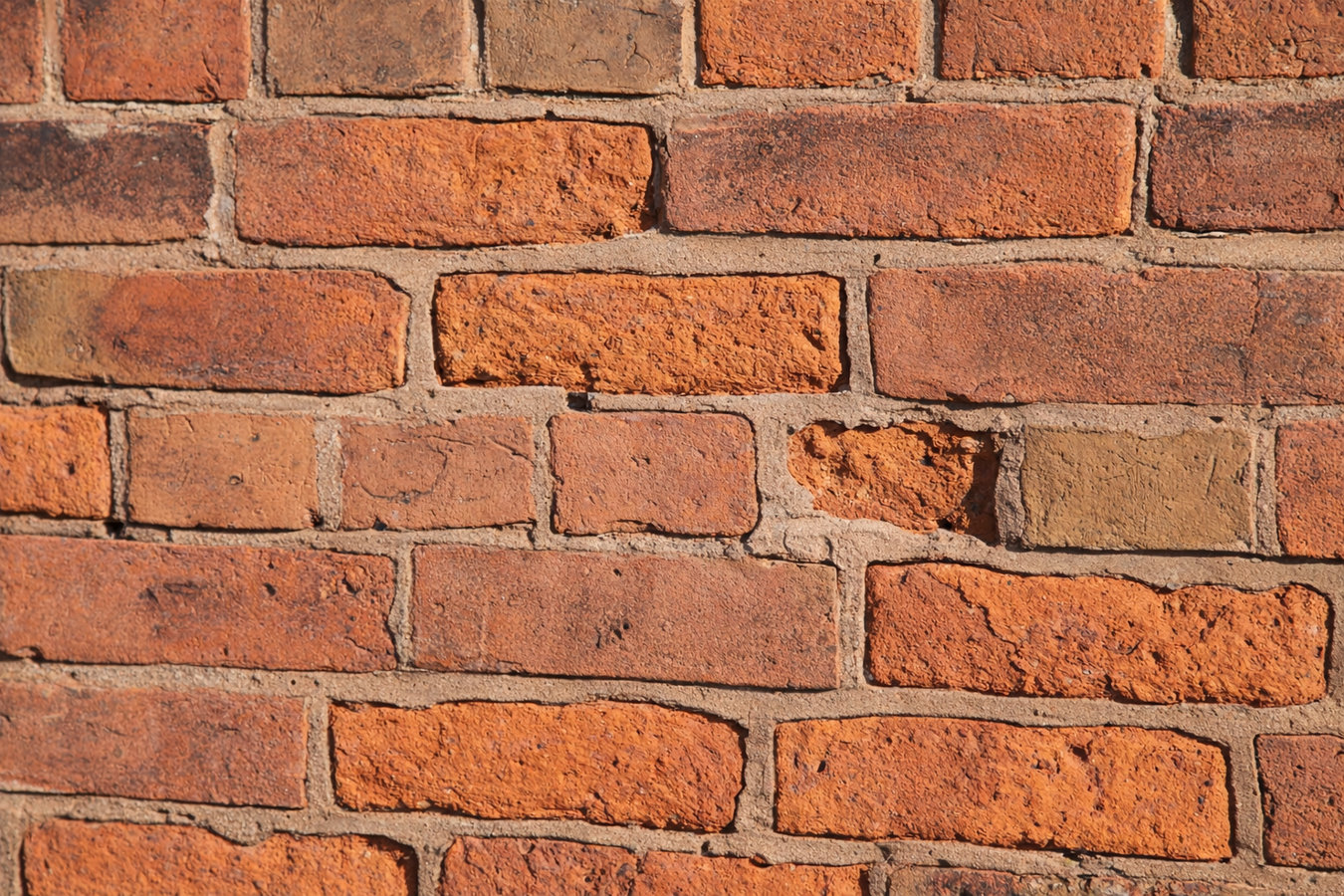
Failing mortar lets water into your home every rainy season. We repoint brick joints with the right mortar mix, at the right depth, so your brickwork seals out moisture and stays solid through Bay Area winters and seismic activity.
Brick pointing in Milpitas is the process of removing deteriorated mortar from between your bricks and packing in fresh mortar to restore the seal, with most jobs taking one to three days depending on how much area is involved and how accessible the wall is.
Most homeowners who contact us about brick pointing are dealing with one of three situations: a chimney that has not been touched since the house was built in the 1960s or 1970s, mortar joints that look visibly crumbled or recessed after years of Bay Area wet seasons, or new cracks that appeared after a noticeable tremor and have not been looked at since. The mortar joints between your bricks are the first line of defense against water - when they fail, moisture works its way in quietly and does damage that is far more expensive to fix than the repointing job that would have prevented it. If your brickwork has gone beyond just failing mortar and has actual brick damage or structural movement, our foundation repair service can assess whether the underlying structure needs attention first.
A key detail most homeowners do not know: the mortar mix matters as much as the installation itself. Older brick - common in Milpitas homes built from the 1950s through the 1970s - requires a softer, more flexible mortar than modern construction. Using a mix that is too hard can transfer stress into the bricks themselves and cause cracking or spalling that is far harder to repair than the original mortar failure.
Stand back and look at your chimney or brick wall from a few feet away. If you can see gaps, crumbling edges, or sections where the material between the bricks has simply fallen out, the mortar has reached the end of its life. This is the most obvious signal, and it means water is already getting in.
Milpitas sits near two active fault lines, and even a moderate shake can open up cracks in mortar joints that were previously holding fine. If you felt a noticeable tremor and have not looked at your chimney or brick exterior since, it is worth a close look - small cracks that appear after seismic activity tend to grow quickly if they are not addressed.
Damp spots, staining, or peeling paint on interior walls that share a surface with exterior brick are common signs that failing mortar joints are letting water through. This is especially worth checking after Milpitas's wet season, which runs from late fall through early spring, when moisture has had months to work its way in.
Run your finger along the joints between the bricks. If the mortar sits more than about a quarter of an inch below the surface, it has worn down enough that it is no longer shedding water away from the wall. This kind of wear is common on Bay Area homes built in the 1950s through 1970s that have never been repointed.
Every brick pointing job we do in Milpitas starts with properly removing the old mortar - grinding or chiseling out to a depth of at least three-quarters of an inch so the new material has enough surface to bond to. Going shallower than that is the most common shortcut that causes repointing jobs to fail within a few years. We then clean the joints and pack in fresh mortar chosen to match both the color of your existing brickwork and the hardness appropriate for the age and type of brick. The Brick Industry Association sets the professional standards for mortar selection and installation that we follow on every job - including the softer mortar mixes required for older brick common in Milpitas homes from the 1960s and 1970s. If the inspection reveals structural damage beyond the mortar joints, we will tell you directly and can discuss whether our tuckpointing service or a broader masonry repair is the right path.
We schedule brick pointing work during dry windows - typically May through October in Milpitas - because fresh mortar needs 24 to 48 hours without rain to set properly. If the rainy season is approaching and you have visible damage, we will advise on whether a shorter repair window is workable rather than letting the problem go another wet season. A written estimate breaking out the scope and cost is provided before any work begins, and the mortar color match is agreed on before the crew starts so the finished joints blend in rather than standing out.
Full mortar joint replacement on brick chimneys - suits homeowners whose chimney has never been touched since the home was built, or who have noticed crumbling or gap formation around the flue.
Section-by-section or full-wall mortar replacement on brick veneer or structural exterior walls - suits homeowners who have noticed recessed joints, efflorescence staining, or moisture entry through an exterior brick surface.
Targeted assessment and repointing of joints that cracked or opened after seismic activity - suits homeowners near the Calaveras or Hayward fault lines who want peace of mind before the next wet season.
Mortar repair on planters, garden walls, entry columns, and other decorative brick features - suits homeowners preparing to list their home or simply wanting exterior details to look well maintained.
A large share of Milpitas homes were built between the 1950s and the 1980s - meaning the original mortar on many brick chimneys and exterior features is now 50 to 70 years old and has never been replaced. That age alone puts a lot of Milpitas brickwork past the point where mortar is still doing its job. Add in the Bay Area wet season - roughly November through April - and you have months of sustained moisture every year working its way into joints that are already failing. Homeowners in Hayward and Newark face the same housing-age and moisture pattern, and repointing before the rainy season is one of the highest-return maintenance investments available on homes of this era.
The seismic dimension matters here too. Milpitas sits close to both the Calaveras and Hayward faults, and minor ground movement can open hairline cracks in mortar joints that were previously intact. Those small openings are easy to miss and easy to ignore - but they let water in, and moisture that cycles through a brick wall through enough wet seasons will eventually cause damage that goes well beyond the mortar joints themselves. Catching failing mortar early is almost always far cheaper than repairing the structural damage that follows if it is left alone.
Call or submit the contact form with a description of where the brick is located and what you are seeing - crumbling joints, staining, moisture inside, or post-earthquake concern. We reply within one business day to schedule a free on-site assessment.
We walk the area, examine the joint condition closely, and check for any deeper structural damage. We explain what we are seeing in plain terms, give you a clear recommendation, and follow with a written estimate - scope, cost, and mortar color match - before any work is agreed to.
On work day, clear the area of furniture and planters and let neighbors know there will be grinder and chisel noise. The crew removes old mortar to the correct depth, cleans out the joints, and packs in the new mortar in sections. Expect noise and some dust - drop cloths go down to contain debris throughout the job.
The crew cleans up the work area and walks you through what to avoid for the next day or two - mainly keeping the area dry. New mortar looks darkest right after the job and lightens as it cures over the following days. If anything looks off to you after the crew leaves, call us and we will come back to look.
Free on-site assessment, written estimate, mortar color matched to your existing brickwork.
(669) 345-1734Milpitas has a large share of mid-century homes whose original brick requires a softer mortar mix than modern construction. Using a mix that is too hard forces stress into the bricks themselves and causes cracking over time. We assess the brick type on every job and select the mortar accordingly - the right choice for older Milpitas homes is different from what goes into new construction.
The most common shortcut in repointing is not cutting deep enough. We remove old mortar to at least three-quarters of an inch on every joint - the minimum depth at which new mortar bonds correctly and lasts as long as it should. The National Park Service Preservation Briefs cover this standard specifically for historic masonry - the same principle applies to any brick repointing job.
We schedule repointing during dry windows and check the forecast before showing up. Fresh mortar that gets rained on within the first 24 to 48 hours does not cure correctly. Scheduling around the Bay Area wet season is not just a preference - it is the difference between mortar that lasts 25 years and mortar that fails in two.
We give you a written scope of work and a total cost before a single joint gets touched. The number you agree to at the start is the number on the final invoice. If we find something during the work that changes the scope - deeper damage, more area than initially visible - we stop and discuss it with you before continuing. No surprises.
A valid California contractor license, current liability insurance, and a track record of completed work in Milpitas neighborhoods are the baseline you should require from any stone mason - and the baseline we meet on every job.
Structural assessment and repair for foundations showing cracks or movement - the right next step when brick damage points to a deeper problem below the surface.
Learn MorePrecision mortar joint work that restores the appearance and weather resistance of brickwork - a close complement to standard repointing on decorative or high-visibility surfaces.
Learn MoreRainy season comes every year - get your mortar sealed before the next one arrives and water finds its way into places it should not be.